Caring for Our World
Written by: Liliana Romero, PhD.
Caring for the World Requires Not Fame, but Consciousness
In an era where it seems that impact is only valid when it is visible, massive, or institutional, we have forgotten a simple truth: one need not create an NGO or become a major influencer to help the planet. Caring for nature begins neither with grand speeches nor with viral campaigns; it begins with small, intimate, and everyday gestures born of consciousness and respect.
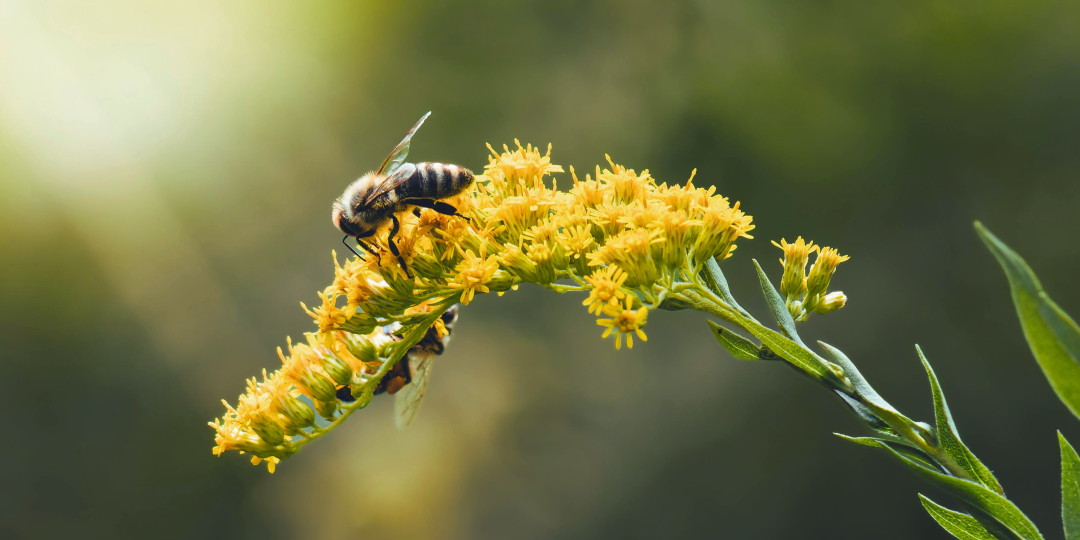
Helping the environment is, above all, an attitude. It is understanding that we are part of a living system and that every action, however minor it may seem has consequences. When you gently pick up a disoriented bee and return it to a flower, you are upholding a fundamental link in the chain of life. When you move a spider out of harm's way without injuring it recognizing that its nature is not blameworthy, but necessary, you are practicing an ethics of coexistence. When you save a plant that is withering or breaking, by relocating it or providing it with new conditions, you are actively participating in the regeneration of your surroundings.
These acts are not insignificant. In fact, they are profoundly revolutionary. For if millions of people were to embrace this loving responsibility toward their own little "garden", the global impact would be immense. The planet does not need only visible heroes; it needs millions of silent guardians.
Caring for water, for instance, is a direct way to protect life. Turning off the tap when not in use, repairing leaks, collecting rainwater for irrigation, or avoiding the disposal of pollutants down the drain are everyday decisions that preserve one of the planet's most valuable resources. Similarly, caring for the seas entails reducing the use of single use plastics, picking up litter on beaches or in rivers whenever we encounter it, and being mindful of what we consume, choosing products that do not contribute to marine overexploitation.
The air we breathe, too, depends on our actions. Planting trees, reducing the unnecessary use of polluting vehicles, choosing to walk or cycle whenever possible, and supporting clean energy are ways to restore balance to the atmosphere. Even something as simple as avoiding the burning of trash or reducing the consumption of highly industrialized products contributes to improving air quality.
Responsible consumption is another essential pillar. Buying only what is necessary, reusing objects, recycling correctly, and prioritizing local and sustainable products reduces the pressure on natural resources. Every purchasing decision is, fundamentally, a vote for the kind of world we wish to sustain.
However, acting solely as individuals is not enough. We must also be vigilant observers and guardians of our environment. Reporting polluting practices, and calling out industrial abuses or behaviors that harm nature, is part of this commitment not through empty confrontation, but through collective responsibility. Protection also entails ensuring that others do not destroy what belongs to us all.
Sustainability is neither a distant ideal nor the exclusive domain of experts. It is a daily practice built upon simple principles: respecting life in all its forms, acting with consistency, and recognizing that every gesture counts. True change does not depend on a few leaders, but on the sum of millions of small, conscious actions.
Ultimately, caring for nature is also a form of gratitude, gratitude for the air we breathe, the water we drink, and the earth that sustains us. And that gratitude is best expressed not in words, but in deeds. For in the vast garden of the world, every act of care is a seed of the future.